


Anxiety has a way of creeping into every corner of life—your thoughts, your relationships, your decisions, even how you see yourself. It can leave you feeling like you’re constantly fighting to stay on top of things, but never quite getting there. If you’re exhausted, overwhelmed, and ready for change, you’re not alone. The good news? You can take control of your anxiety.
This blog outlines three clear and practical steps to help you not only manage your anxiety but also begin to reshape your life in the process. These aren’t quick fixes or vague suggestions—they’re rooted in real, proven strategies that I use with clients every day. Whether you’re dealing with persistent worries, fear of failure, or simply feeling stuck, these steps can help you regain calm, confidence and clarity.
1) Understand Your Anxiety: Awareness Is the First Step


You can’t change what you don’t understand. One of the most empowering things you can do to take control of your anxiety is to become aware of how it shows up in your life. Anxiety isn’t always a panic attack or a racing heart. It can be more subtle—chronic tension, irritability, difficulty sleeping, overthinking, or even perfectionism.
Start by paying attention to your physical and emotional responses during the day. Do you feel dread on Sunday nights before work? Do you find yourself avoiding tasks because they feel too overwhelming? Are you snapping at loved ones over small things? These are all signs your nervous system may be stuck in a state of high alert.
Understanding your triggers—the people, places, or situations that set off anxious thoughts—gives you power. It’s not about judging yourself, it’s about gathering the insight you need to make different choices. Keep a journal of when anxiety strikes and what was happening in that moment. Over time, you’ll begin to see patterns. And from there, real change can begin.
Learn to Spot the Signs Before They Spiral
The earlier you catch your anxiety, the easier it is to manage. Think of it like a fire alarm—if you hear the early warning, you can act before things get out of hand. Recognise the early signs in your body (tight chest, shallow breathing, jaw clenching), your behaviour (snapping at others, procrastinating), and your mind (catastrophic thinking, self-doubt).
Bringing these patterns into conscious awareness is the first powerful step to take control of your anxiety and stop it from running the show.
2) Interrupt the Cycle: Practical Tools to Regain Control

Once you understand how anxiety affects you, the next step is to interrupt the loop. Anxiety tends to follow the same path: trigger → worry → physical reaction → avoid or overreact. But the good news is—you can break this cycle.
Start with your body. Simple grounding techniques like deep breathing, walking outside, or using the 5-4-3-2-1 technique (noticing 5 things you can see, 4 you can touch, etc.) help bring your nervous system out of fight-or-flight mode.
Then address your thoughts. When you notice a worry creeping in, try asking: Is this true? Is it helpful? Write down anxious thoughts and challenge them—don’t just accept them as facts.
Small, consistent actions—like taking a pause before reacting, getting up and stretching, or using calming self-talk—can have a huge impact. It’s about creating space between the anxious thought and the response you choose. That’s where the power lies.
Taking control of your anxiety doesn’t mean it disappears overnight. It means learning how to respond differently—and more kindly—to yourself.
Simple Daily Practices That Make a Big Difference
Build a 5-minute daily routine that soothes your mind. This might include:
- Breathwork: Try box breathing—inhale for 4, hold for 4, exhale for 4, hold for 4.
- Journalling: Write down what’s on your mind each morning or before bed.
- Gratitude list: Focus on what’s going right, not just what’s going wrong.
Practised consistently, these small habits are powerful tools to take control of your anxiety and bring calm to even the busiest of days.
3) Create Long-Term Change: Build Resilience and Reclaim Your Life

Anxiety can feel like something you just have to live with—but that’s not true. You can take control of your anxiety long-term by building resilience and retraining how your mind responds to stress.
This is where deeper work comes in. Hypnotherapy and coaching techniques help you get to the root of your anxious patterns, rather than just managing symptoms. They can help you reframe how you see challenges, tap into inner confidence, and respond to uncertainty with calm instead of fear.
Long-term change also comes from how you support your overall wellbeing. Are you getting enough rest, connection, and time for yourself? Building resilience isn’t about “pushing through”—it’s about creating the conditions that help you thrive.
When you make these shifts, life begins to feel more spacious. You’re no longer stuck in reactive mode—you’re responding intentionally, with strength and clarity.
Train Your Mind for Calm, Not Catastrophe
Just like training a muscle, your mind can be trained to respond differently. Visualisation techniques like the “Control Room of the Mind” (a method I often teach clients) help rewire your thinking and promote self-empowerment.
Over time, you’ll notice that what once triggered anxiety no longer holds the same power. You’re choosing your response—not being controlled by it. That’s what it means to take control of your anxiety and your life.
You Deserve to Feel in Control Again
Living with anxiety can feel like trying to steer a ship in a storm—but it doesn’t have to stay that way. When you understand your anxiety, learn to interrupt its cycle, and commit to long-term change, you’re no longer at its mercy. You’re steering the ship again—with confidence, calm, and clarity.

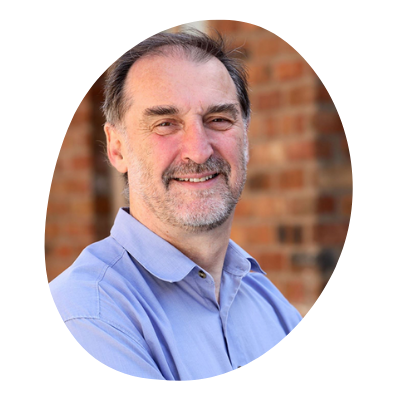
You don’t have to figure it all out on your own. I’ve helped many business professionals and leaders just like you take control of their anxiety, reclaim their focus, and live with purpose again.